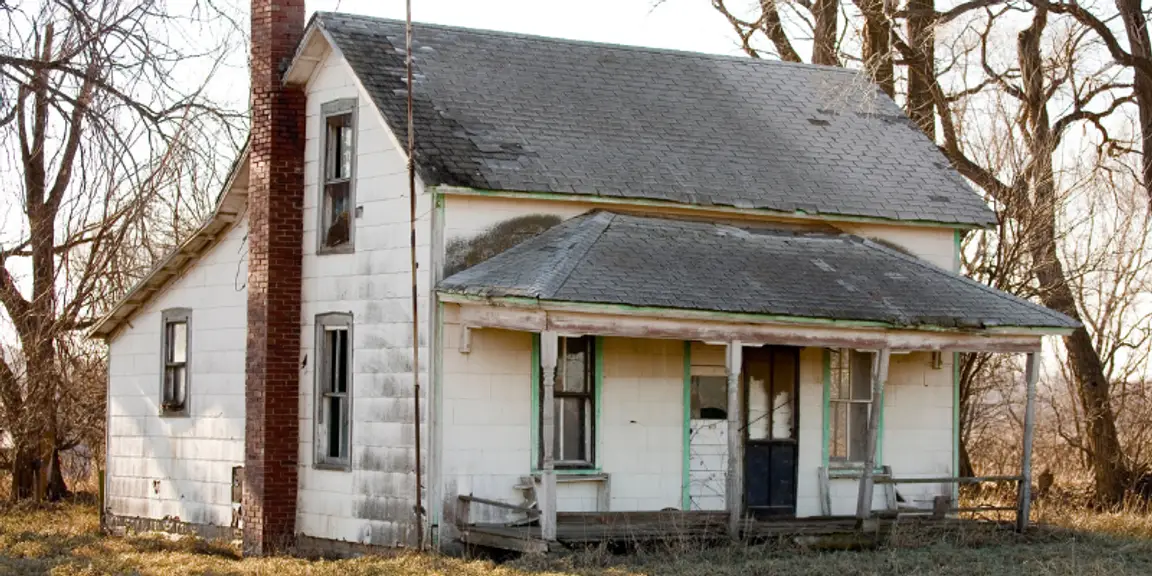

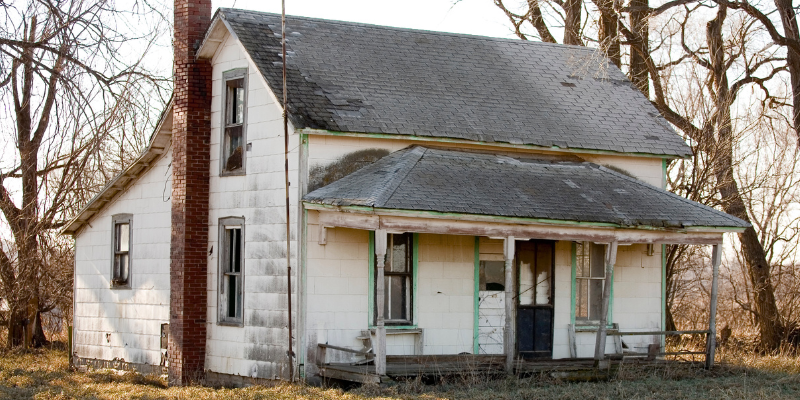
Four dumpsters sat in the driveway of a Berwyn bungalow for nine days while the family argued about a piano. The house sold anyway, for cash with no repairs, and the piano went to a cousin in Cicero.
That’s how it usually goes. A house in bad condition in Illinois doesn’t sit because nobody wants it. It sits because the owners are stuck between a repair bill they can’t cover and a market they don’t fully trust. I buy houses across Illinois for a living. The sellers who call me aren’t lazy or careless. They’re tired, or short on time, or the furnace quit the same month the tax bill showed up. So let’s look at what moves a house in bad condition in Illinois from problem to closed file.
What Does Selling a House As-is Mean in Illinois?
Maria inherited her mother’s bungalow and told buyers she wouldn’t fix a thing before closing. It’s a fine plan, as long as she knows what “as-is” covers. The phrase isn’t a magic shield in Illinois law. It’s a contract term about repairs, and it was never a pass on honesty.
That gap trips up more Illinois sellers than anything else I see. An as-is clause tells the buyer you won’t fix the water heater or credit them for the roof. It doesn’t let you hide a basement that floods every spring. Under the Residential Real Property Disclosure Act, most residential sellers must hand the buyer a written report on material defects they know about. That report goes out before anyone signs the contract. You can read the statute yourself on the Illinois General Assembly site.
Selling as-is also changes who shows up. FHA and VA loans come with minimum property requirements, and the appraiser checks the property against them. Buyers using those loans often can’t close on a house in bad condition in Illinois. Cash buyers and renovation lenders fill that gap.
In most as-is sales the buyer gives up the repair request, though they’ll often still inspect. Plenty of Illinois cash buyers walk the property with a contractor to set their price, and no punch list follows. You don’t lose all your pull, either. A rough house with good bones in a sought-after township can still pull rival offers.
If you’re ready to sell your Illinois house as-is, contact us today for a no-obligation cash offer. We’ll buy your property in its current condition, with no repairs or cleaning required.
What Problems Must You Disclose When Selling As-is in Illinois?

Sellers walk into an as-is sale hoping for a clean break, where nobody asks questions and nothing follows them after closing. Illinois law shuts that door fast. Even in an as-is sale, you still have to disclose known problems under the Residential Real Property Disclosure Act.
The good news is that the law’s ask is narrow. You disclose material defects you actually know about, and the act says you don’t have to go digging for more. Nobody expects you to open walls or hire an inspector. Mold, basement water, roof leaks, pest damage, foundation movement: if you know about it, write it down. The form is short, and the questions are plain.
There’s also a duty that keeps running until closing. If you become aware of an error or omission in your report before the sale closes, you owe the buyer a written supplement. Say your sump pump dies in March after you signed in February. Tell your attorney and update the report.
Radon gets its own law. The Illinois Radon Awareness Act requires you to give the buyer one approved radon pamphlet plus a signed radon disclosure form before they’re bound by the contract. Neither law makes you test or fix anything. The pamphlet is free from the Illinois Emergency Management Agency and Office of Homeland Security, on its radon page.
Skipping the report has teeth. If you fail or refuse to provide the disclosure before conveyance, the buyer gets the right to terminate the contract. Illinois REALTORS publishes a plain-language brochure on the act at illinoisrealtors.org. Your closing attorney can walk you through the form line by line.
Can You Sell a House in Bad Condition in Illinois?
“Is my house too far gone to sell?” I hear that weekly, and the answer is almost always no. Nearly every Illinois county has buyers who want rough houses, from Rockford down through Peoria and into Metro East near St. Louis. Most of them get sold once the owner accepts the number the market puts on the place.
Fire damage sells. So do hoarder houses, and so do houses with failed septic systems in unincorporated Will County. The few properties I’ve seen stall had a tangled title, a seller who wanted retail money for a gut job, or a demolition order from the town. Illinois gives you an edge here too. Most Illinois residential closings have a real estate attorney on each side, and they tend to catch title trouble early instead of at the closing table.
Condition problems cluster by region in ways you can predict. Older Chicago neighborhoods like Austin, Englewood, and parts of the Northwest Side hold plenty of century-old two-flats with original plumbing. Out in suburban Cook and DuPage, homes built in the 1950s and 1960s are wearing out their roofs, furnaces, and galvanized supply lines all at once.
Selling a house in bad condition in Illinois only gets hard when your number and the buyer’s number sit in different zip codes. Everything else is paperwork. Are you waiting for a better offer, or for permission to take the one you have?
If you’re ready to sell, Braddock Investment Group Inc can make a fair cash offer for your Illinois home, regardless of its condition. Contact us today for a no-obligation offer and skip the repairs, cleanup, and traditional listing process.
How Much Money Will You Make Selling Your House As-is in Illinois?

Most as-is sellers in Illinois walk away with more than they expect, because they stop counting repairs they were never going to finish. Run the math straight. On a traditional Illinois listing, commissions on both sides, title and closing fees, and attorney costs all come out of your gross price. State and county transfer stamps tend to land on the seller too, and some towns add their own. Then add whatever concessions the buyer wins after inspection.
Illinois commissions run on the low side. Clever Real Estate’s August 2026 agent survey put the typical Illinois listing commission at 2.41% and the buyer’s agent side at 2.49%. Both sit below the national averages. That still adds up to roughly five points of your price.
Then come the repairs, starting with a roof on a modest Illinois ranch. A scoped and replaced sewer line is another, and so is a furnace or an electrical upgrade from 60 amps. On a house in bad condition in Illinois, those aren’t guesses. They’re the exact items a buyer’s lender flags.
Cash offers on a house in bad condition in Illinois tend to land below retail value, and the gap follows the repair scope. A place that needs cosmetic work sells closer to market, while one with structural problems sells further below it. Figure your net by subtraction, not by the headline number. I’ve watched sellers chase an extra fifteen thousand on paper. Then they lost more than that to six months of taxes, insurance, utilities, and two failed contracts.
Waiting costs more in Illinois than most sellers plan for. Ask your buyer to put the closing costs breakdown in writing. A legitimate Illinois cash buyer will cover most or all standard closing fees, and that shows up straight in your net.
Should You Sell As-is to a Cash Buyer or List with an Agent in Illinois?
A couple in Oak Lawn listed their late father’s house in May with a well-reviewed agent. Three contracts fell through on inspection. By September they took a cash offer for less than the first failed contract, and they called it the best decision they’d made all year. That’s no knock on agents. It’s a warning about listing a rough Illinois house to buyers whose loans the property can’t support.
List with an agent when the house needs only cosmetic work and you can afford to carry it through a full marketing cycle. A tight market helps. Realtor.com’s August 2026 report showed Chicago metro active listings down 6% from a year earlier. Only 14.6% of those listings had a price cut, while the national share was just over 20%. With inventory that thin, even an imperfect house still draws buyers.
Sell for cash when a condition problem will kill financing or a deadline is pushing you. It’s also the right call if you can’t run showings on a house with no working bathroom. Cash home buyers in Arlington Heights, IL, can offer an alternative for homeowners who want to sell as-is without making repairs or waiting for traditional financing.
Before you decide, get both numbers. A broker’s comparative market analysis costs nothing, and neither does a cash offer from a solid Illinois buyer. Put them side by side with the repair estimate and your holding costs filled in.
I’d push back on the usual advice to always collect three cash offers. Three offers from strangers aren’t leverage if two come from wholesalers who’ll renegotiate at day 20. One buyer who closes reliably beats three who might vanish. A buyer’s track record is easy to check in Illinois. Ask for recent closings in your county and call the attorney who handled them.
How Do You Sell Your Illinois House As-is to a Cash Buyer?

“Cash buyers are all low ballers who waste my time.” Some are, but the good ones follow a process you’ll recognize in the first conversation.
Step one is the information call. A real Illinois buyer asks about the roof age, the mechanicals, the basement, open permits, whether anyone’s living there, and your timeline. If the first question is “what’s your lowest price,” hang up.
Next comes the walkthrough. Someone visits the property in person, often within a day or two in the Chicago metro and within a few days downstate. A house in bad condition in Illinois can’t be priced well from photos. Any buyer who says otherwise is leaving room to cut the price later. A company that buys houses in Schaumburg and other Illinois cities should be willing to inspect the property before presenting a realistic offer.
Step three is the written offer. It should state the price, who pays which closing costs, the closing date, and the earnest money amount. Read the inspection or due diligence clause closely. A short window is normal; an open-ended one is a trapdoor.
Attorney review and title work make up step four. Illinois closings run through attorneys and title companies, so your buyer sends the contract to the title company and the search starts. Liens, old mortgages, unreleased judgments, and unpaid taxes all surface here.
Closing is step five. Funds wire, the deed records, and you hand over keys and whatever’s left in the house if that was the agreement.
Frequently Asked Questions
How Does a House Get Declared Uninhabitable?
That call comes from your local building or code enforcement department, not from the state or a private inspector. An inspector tends to show up after a complaint, an emergency, or a failed inspection. If the structure lacks safe utilities, has structural failure, or poses a health hazard, they post a notice. Once a property is placarded, nobody can live there until you get permits and pass re-inspection. That’s one reason selling before code enforcement gets involved tends to go better.
How Long Am I on the Hook for Repairs After Selling?
Selling as-is means you’re not agreeing to fix anything after closing. A properly signed as-is contract in Illinois generally ends your repair duties at the closing table. What survives is the accuracy of your disclosure. A buyer who later proves you knowingly hid a material defect can bring a claim. Illinois law sets how long they have, so ask your closing attorney how long your own exposure runs.
Do I Still Need an Attorney for an As-is Cash Sale in Illinois?
No Illinois law requires one, but closings here customarily have an attorney on each side, and I’d hire one even when the sale looks simple. Your attorney reviews the contract, confirms the title work, handles lien payoffs, and checks that the deed and closing statement match what you agreed to. The fee is small next to the price of the house. With a house in bad condition in Illinois, liens or estate issues may be in play, so that review is cheap protection.
If you’re weighing whether to fix it, list it, or just be done with it, Braddock Investment Group Inc is glad to look at your situation and give you a straight read, even if the answer is that you shouldn’t sell to someone like me. You can reach out to us at (312) 564-4058 whenever you’re ready. No pressure, no obligation, and no hard feelings if you decide to go another direction.
Helpful Illinois Blog Articles